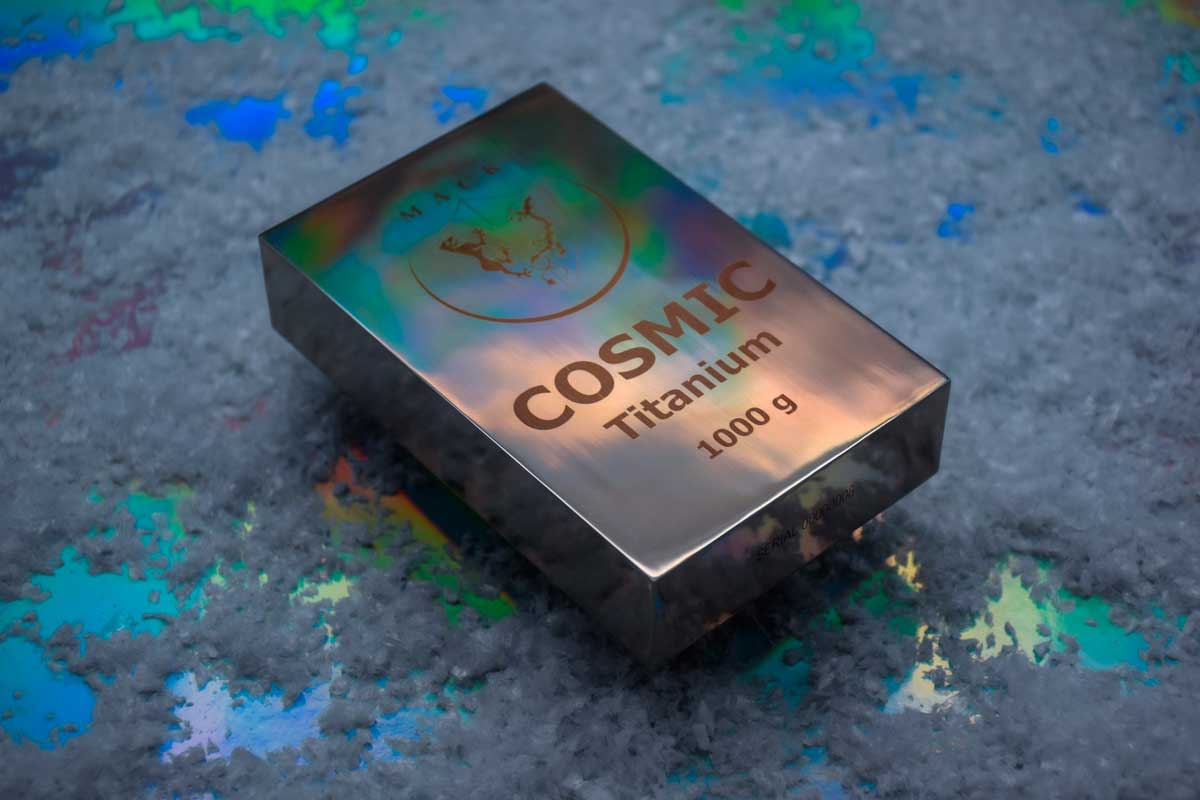

THRESHOLD FIXATION | First-Person Statement.

Author: Robert Mack Date: June 1, 2025 I do not speak from fear. Nor from hope. But from a place of clarity that cannot be avoided once you’ve seen the world — not on a screen, but from the ground. From its ashes. Its faces. Its…Read More
WHEN YOU HOLD COSMIC
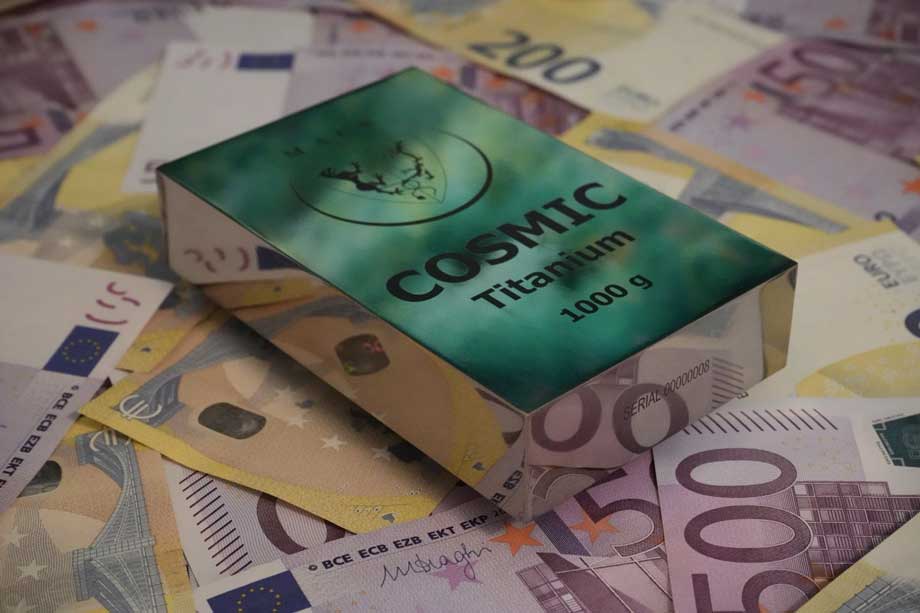
Date: May 27, 2025 Signed: Anonymous Architect This is not titanium. This is not a bar. This is the moment when your hands first hold the real. Until now, you may have doubted, read, hesitated. You may have reasoned — with the mind. You may have…Read More
Digital Currencies and Dollar Alternatives: Global Overview and Critical Analysis.
Publication Date: May 20, 2025 Under the Guidance of the Anonymous Architect 🧭 What Is a Central Bank Digital Currency (CBDC)? A Central Bank Digital Currency (CBDC) is an electronic form of a national currency issued by the central bank. CBDCs are designed to provide safe,…Read More
ACT OF ORIGIN: COSMIC.
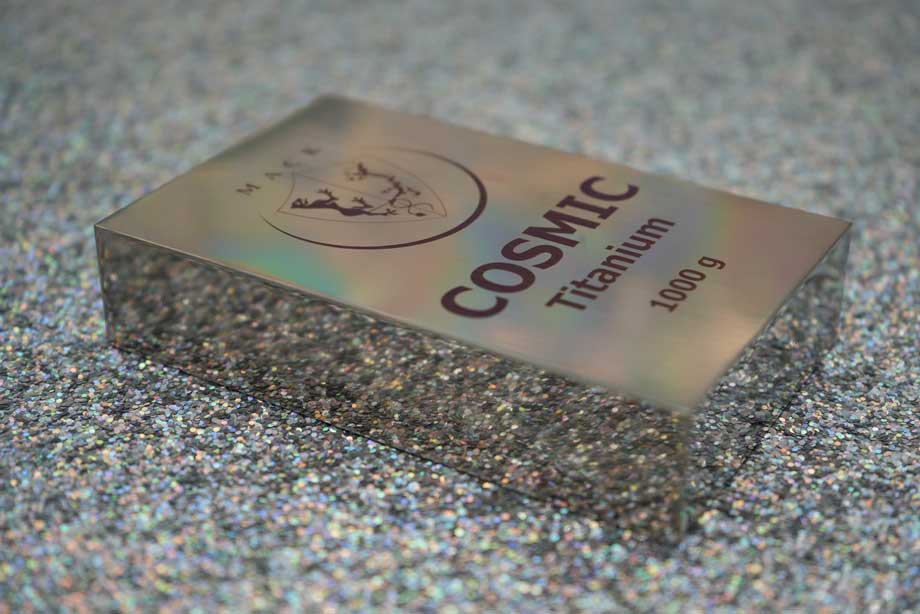
Internal Time: 12:00 Date of Publication: May 10, 2025 Signed: Anonymous Architect I. The Beginning That Was Not a Beginning June 15, 2018 No idea was announced, no project launched, no protocol introduced. On this day, the System was revealed. It was given a name: COSMIC…Read More
Superconducting Qubits and Cosmic Titanium: Innovations in Quantum Technologies

Introduction Superconducting qubits are key elements in modern quantum computers, and the Cosmic material, consisting of the highest purity titanium, is becoming an integral part of these advanced technologies. In this article, we will discuss how the properties of Cosmic titanium, including its ninefold purity, make…Read More